

 Data centers represent the heart of modern IT operations, where infrastructure, security, and reliability converge in real time. For organizations seeking or maintaining SOC 2 compliance, the challenge lies in translating the abstract requirements of the AICPA’s Trust Services Criteria into tangible daily practices.
The principles of SOC 2 (Security, Availability, Confidentiality, Processing Integrity, and Privacy) demand ongoing evidence that controls are designed effectively and operate consistently. Achieving that alignment requires more than documentation; it requires embedding compliance into everyday operational behavior.
Turning SOC 2 Principles Into Practical Operations That Work Every Day
SOC 2 compliance begins with comprehending the system’s boundaries and the commitments made to clients.
Data center teams must identify which systems deliver services and define service commitments clearly because those commitments determine which controls fall under the report’s scope. From verifying physical access logs to maintaining backup integrity, each routine task should trace back to a specific Trust Services Criterion.
Operational roles within a data center, such as facilities management, networking, and cybersecurity, all contribute to maintaining these controls. Daily activities, such as reviewing change management tickets and monitoring environmental conditions, directly support criteria such as CC6 (access control), CC7 (operations and monitoring), and A1 (availability).
When these tasks are standardized, they transform abstract compliance goals into repeatable, evidence-driven practices.
Building Security Into Every Interaction, Process, & Access Point
Effective security management within a SOC 2-aligned data center starts with physical protection and identity control. Guard posts, surveillance systems, restricted zones, and access audits create a verifiable record of physical security measures. Badge management and immediate revocation of access upon role changes reinforce the concept of least privilege.
Logical access is equally important. Network segmentation, firewall configurations, and intrusion detection systems reflect SOC 2 expectations under CC6 and CC7.
Adopting zero-trust principles, where every connection and request is continuously validated, brings an additional layer of alignment with modern NIST SP 800-207 guidance. These controls demonstrate to auditors that the organization’s infrastructure is built around a consistent verification process rather than an assumption.
Configuration management also sits at the core of security alignment. Method of Procedure (MOP) documentation, version control, peer review, and change approval processes support CC8 (change management).
Each approved change represents both operational discipline and evidence of compliance. Routine review of configurations through automated checks or manual audits closes the loop between policy and execution.
Monitoring, Maintenance, & The Proof Of Operational Integrity
 Continuous monitoring gives life to SOC 2 controls. Logs from environmental systems, intrusion detection, and network devices provide ongoing evidence that systems operate within expected parameters. A well-structured Security Information and Event Management (SIEM) platform organizes that data, producing actionable intelligence and supporting continuous visibility.
Environmental reliability remains just as necessary. Power systems, cooling, and capacity management align with A1 (availability) by demonstrating that data centers are prepared for sustained operations.
Scheduled UPS and generator tests, temperature tracking, and airflow management logs are all part of this continuous assurance. When issues are detected, incident response processes rooted in NIST SP 800-61 and recovery frameworks such as SP 800-34 demonstrate readiness and control maturity.
Monitoring doesn’t stop with systems; backup verification and restore testing reinforce that data is stored securely and remains recoverable. Documentation of these activities becomes important evidence in SOC 2 Type 2 examinations, which assess operational effectiveness over time.
Data Handling, Vendor Oversight, & The Chain Of Accountability
Data handling practices must reflect both confidentiality and integrity. Disk sanitization using approved methods such as cryptographic erase or physical destruction supports C1 (confidentiality).
Procedures documenting every process step, from asset tracking to destruction verification, show auditors that the organization treats data lifecycle management as part of its daily rhythm.
Vendor management presents another layer of responsibility. Many data centers rely on colocation or managed facility providers; in SOC 2 terms, these are subservice organizations. Clear documentation of their roles, complementary controls, and service-level agreements forms the evidence needed for CC9 (risk mitigation).
Regular review of third-party certifications and service reports establishes that external dependencies maintain compliance expectations equivalent to internal ones.
From Compliance Framework To Everyday Discipline
SOC 2 isn’t a once-a-year project; it’s a continuous operational mindset built on evidence, consistency, and transparency. Every badge check, log review, patch deployment, or backup test contributes to a living system of trust.
The AICPA’s criteria are intentionally broad so organizations can customize their implementation to reflect the actual structure of their environments. When those controls are embedded into day-to-day data center operations, they produce an operational culture that naturally sustains compliance.
Organizations that align their physical and digital practices with SOC 2 expectations meet auditor requirements while strengthening resilience. For IT leaders, the focus shifts from “passing the audit” to maintaining predictable, secure operations demonstrating accountability at every level.
Choosing a Partner With Proven Experience
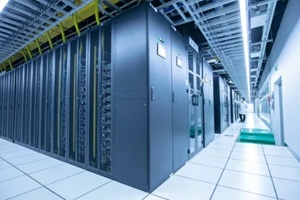 Advantage.Tech has extensive experience building, managing, and securing enterprise data center environments. Their engineers translate frameworks such as SOC 2 into actionable operational programs that function seamlessly within real-world infrastructure.
So whether you’re refining existing processes or designing new systems to meet compliance standards, Advantage.Tech helps organizations maintain reliability and trust in every aspect of their operations.
Ready to align your data center operations with SOC 2 standards? Connect with Advantage.Tech’s team of IT and cybersecurity professionals to discuss customized strategies that strengthen your operational security and keep your systems audit-ready every day.